 Elara Venn
DeviantArt: Exploring One of the Internet’s Largest Online Art Communities
Quick Answer
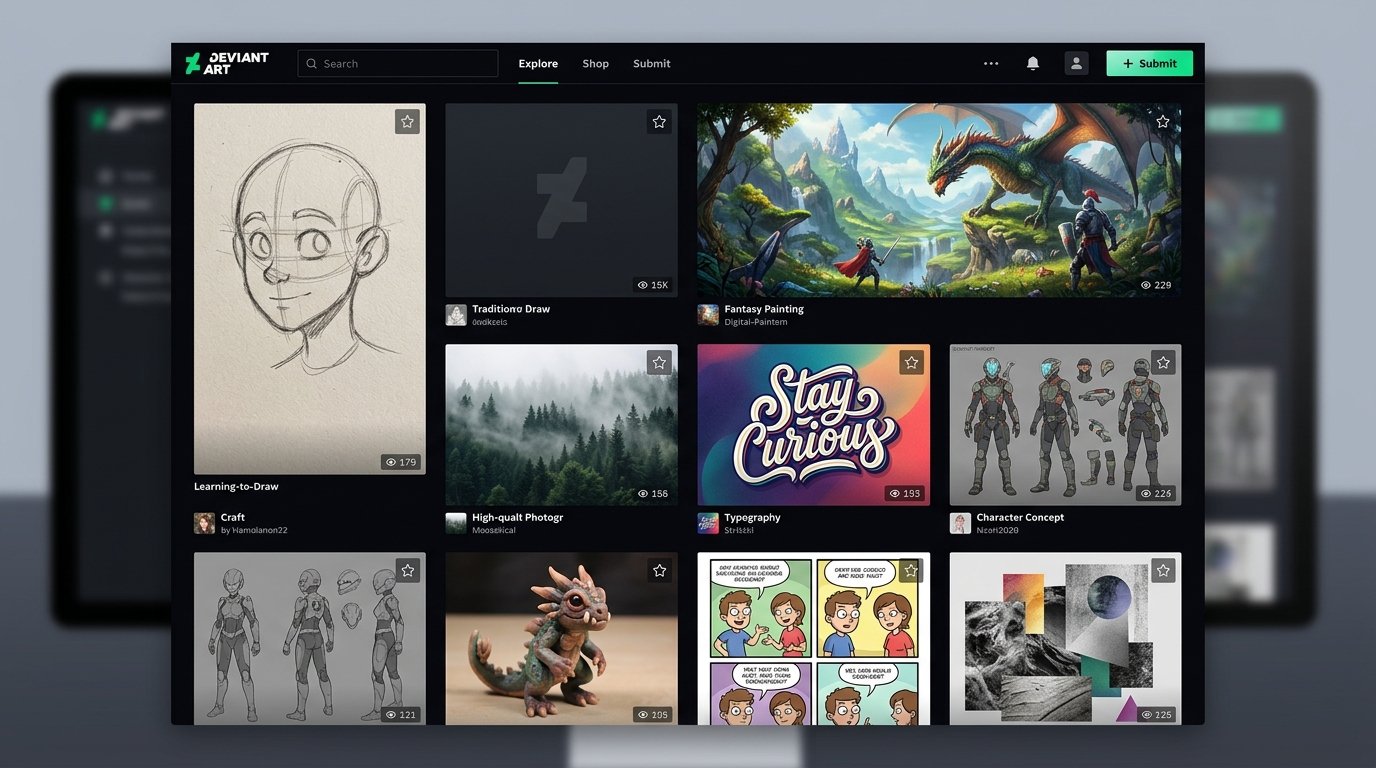
DeviantArt is an online creative community and art-sharing platform where artists can publish, display, discover, and discuss artwork. It supports many forms of creativity, including digital illustrations, traditional drawings, paintings, photography, character art, comics, concept art, crafts, and other visual projects.
Artists can create profiles and build collections of their work, while visitors can explore artwork, follow creators, leave comments, and participate in the wider community.
If you have ever explored digital art, illustrations, photography, character designs, fan art, or creative communities online, there is a good chance you have come across DeviantArt. The platform has been part of the online art world for many years and has developed into a large community where people can publish artwork, discover creators, exchange ideas, and build an audience.
Unlike general social networking websites, DeviantArt is designed primarily around creative expression and visual artwork. Artists with very different backgrounds can use the platform to display their work, experiment with new styles, receive feedback, and connect with people who appreciate their particular type of creativity.
For visitors, DeviantArt can work like a huge digital art gallery. Instead of walking through physical rooms, users browse profiles, categories, collections, and individual submissions from creators around the world.
What Is DeviantArt?
DeviantArt is a website and online community focused on artists and people who enjoy visual creativity. Its purpose goes beyond simply allowing someone to upload an image. The platform gives creators a public space where their artwork can become part of a larger creative identity.
For example, an illustrator might use a profile to publish character designs, digital paintings, sketches, and finished illustrations. A photographer could use the same type of profile to organize landscape, portrait, or experimental photography. A traditional artist might share pencil drawings, watercolor paintings, or mixed-media projects.
This broad approach means that DeviantArt does not represent one particular artistic style. Instead, it brings together many creative communities under one platform.
The History of DeviantArt
DeviantArt was launched in 2000 by Scott Jarkoff, Matthew Stephens, Angelo Sotira, and other early contributors. The platform’s beginnings were connected to online communities centered around customizing computer software and digital interfaces.
As the internet’s creative culture developed, DeviantArt expanded beyond its original focus. More artists began using the service to publish illustrations, digital paintings, photography, fan art, and other forms of creative work.
This expansion helped establish DeviantArt as one of the recognizable early online communities dedicated specifically to artists.
Its long history also means that the platform has been part of several major changes in online art culture. Digital drawing became more accessible, image-editing software became more powerful, tablets became increasingly common, and social media changed the way creators interacted with audiences.
Through these changes, DeviantArt maintained its identity as an art-centered community.
What Does the Name DeviantArt Mean?
The name DeviantArt combines the idea of being different or unconventional with the concept of art.
The word “deviant” can describe something that moves away from what is considered ordinary or expected. In the context of an artistic community, the name suggests creativity that does not necessarily follow traditional boundaries.
This idea fits the platform’s wide range of styles. Users can find realistic artwork alongside surreal illustrations, experimental photography, fantasy designs, abstract pieces, fan creations, and many other forms of visual expression.
How Does DeviantArt Work?
The basic experience is built around profiles, artwork submissions, discovery, and community interaction.
A person can create an account and establish a profile that represents their creative identity. Artists can then upload their work and provide information such as a title, description, category, and other relevant details.
Once published, artwork can potentially be discovered by other members through searches, artist profiles, categories, recommendations, and community activity.
Visitors can explore individual submissions and creators, while artists can interact with people who respond to their work.
The process can be summarized simply:
Create → Upload → Discover → Interact → Build a Creative Presence
This structure makes DeviantArt useful for both people who create art and people who simply enjoy looking at it.
DeviantArt Login: How to Sign In to Your Account
The DeviantArt login process allows registered users to access their accounts, artwork, notifications, followed artists, and other personalized features. If you already have a DeviantArt account, you can sign in using the credentials associated with your account.
To log in, visit the official DeviantArt website and select the Log In option. Enter your registered account information and continue through the sign-in process. Once logged in, you can access your profile, explore your personalized feed, interact with other artists, and manage your own artwork.
If you are having trouble signing in, first check that your login information has been entered correctly. Problems can sometimes occur because of an incorrect password, an outdated saved login, or other account-related issues. If you have forgotten your password, use the available account-recovery option to regain access.
What Can You Access After Logging In?
After completing the DeviantArt login, users can typically access features associated with their account, including:
- Their personal profile and uploaded artwork
- Followed artists and personalized content
- Notifications and community interactions
- Saved or organized creative content
- Account and profile settings
- Available membership or account features
For security, users should avoid entering their login details on unofficial websites or sharing their password with other people. Using the official DeviantArt website for account access is the safest approach.
What Can You Find on DeviantArt?
One of DeviantArt’s defining characteristics is the variety of creative work available on the platform.
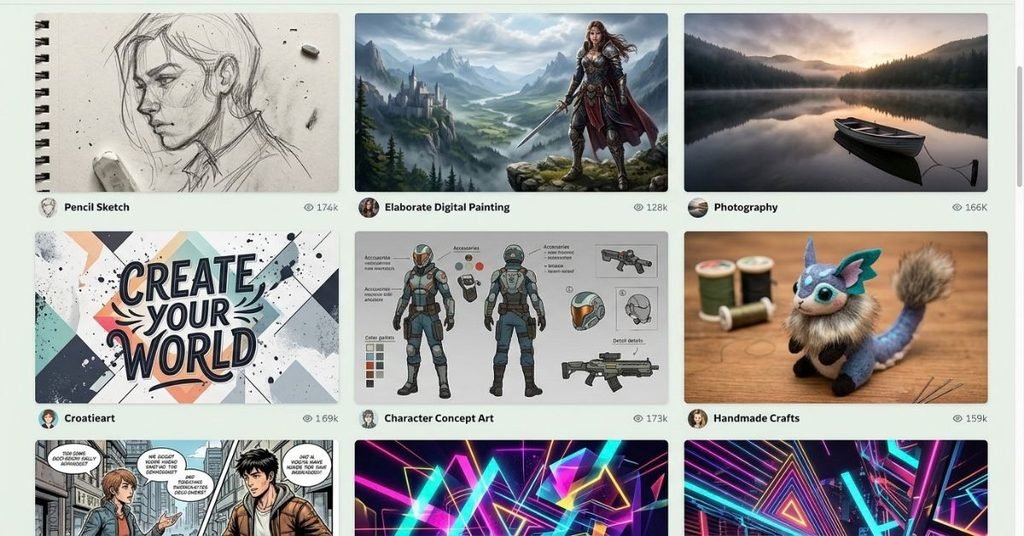
You may find a simple pencil sketch created by someone learning to draw, followed by an elaborate digital painting made by an experienced illustrator. Elsewhere, you might find photography, typography, character concepts, handmade crafts, comics, or visual experiments.
Some major categories include:
| Art Category | What You May Find |
| Digital Art | Digital paintings, illustrations, portraits, and experimental artwork |
| Traditional Art | Pencil drawings, ink work, watercolor, acrylic, and other physical media |
| Photography | Portraits, landscapes, nature, architecture, and conceptual photography |
| Character Art | Original characters, character sheets, costumes, and visual concepts |
| Fan Art | Personal interpretations of characters and fictional worlds |
| Concept Art | Characters, environments, creatures, props, and visual development |
| Comics | Comic pages, panels, illustrated stories, and sequential artwork |
| Animation | Animated artwork, short creative projects, and motion-based work |
| Graphic Design | Posters, typography, layouts, logos, and visual compositions |
| Crafts | Handmade creations, models, costumes, sculptures, and other projects |
Because these categories overlap, one artist may work across several areas at the same time.
DeviantArt for Digital Artists
Digital art has played an important role in DeviantArt’s growth. Artists who work with drawing tablets, digital painting software, photo-editing programs, 3D tools, or other creative applications can use the platform to showcase finished pieces and works in progress.
Digital artists also benefit from being exposed to different approaches. One creator might specialize in realistic digital portraits, while another creates stylized cartoons or fantasy environments.
This variety can help artists discover new ideas without being restricted to one creative community.
DeviantArt for Traditional Artists
Although the platform is strongly associated with digital creativity, traditional artwork has also been an important part of the community.
Artists can share photographs or scans of physical artwork such as:
- Pencil sketches
- Ink drawings
- Watercolor paintings
- Acrylic paintings
- Oil paintings
- Charcoal artwork
- Mixed-media projects
- Sculptures
- Handmade creations
For traditional artists, this provides a way to bring physical artwork into an online environment and reach audiences beyond their local area.
DeviantArt and Photography
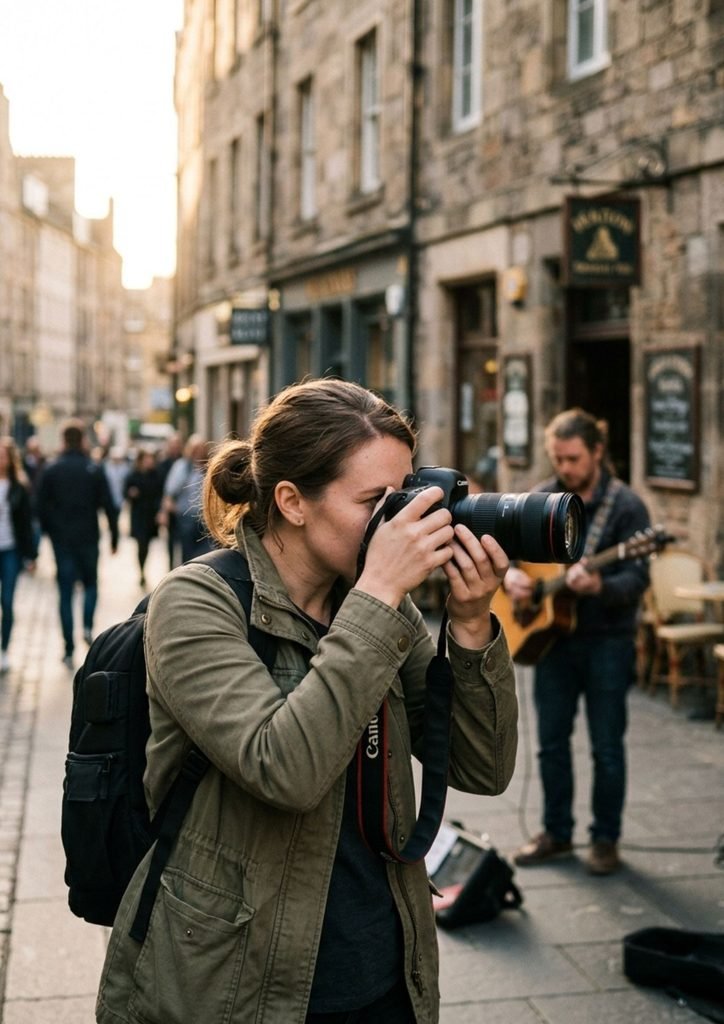
Photography is another major area of creative expression on DeviantArt.
Photographers can showcase portraits, landscapes, wildlife, architecture, street photography, conceptual images, and experimental compositions.
The platform can be especially useful for photographers who want to present their images within a creative community rather than relying only on general-purpose social media.
A photography profile can also demonstrate an artist’s development over time by bringing older and newer projects together.
DeviantArt and Character Design
Character design is particularly popular among online artists.
Creators may develop original characters with distinctive appearances, clothing, personalities, backgrounds, and fictional worlds. Some artists publish individual character illustrations, while others create complete character sheets or larger visual projects.
Character design can also overlap with comics, animation, gaming, storytelling, and concept art.
This makes DeviantArt an interesting place for people interested in visual storytelling and fictional world-building.
What Is Fan Art on DeviantArt?
Fan art refers to artwork inspired by existing characters, stories, games, films, television programs, books, or other creative properties.
For example, an artist may create their own illustration of a favorite fictional character or reinterpret a familiar character in a completely different artistic style.
Fan art can be valuable for artists because familiar subjects give them opportunities to practice anatomy, lighting, composition, color, and character expression.
However, creators should remember that original characters and fictional properties may be protected by copyright or other intellectual-property rights. Publicly displaying fan art does not automatically give everyone permission to commercially use the underlying characters or material.
Why Do People Use DeviantArt?
People use DeviantArt for different reasons depending on their interests.
For artists, it can be a place to publish creative work and establish an online presence. For beginners, it can provide motivation and exposure to different artistic styles. For art enthusiasts, it can function as a massive collection of visual content.
Some users are primarily interested in discovering artwork. Others actively participate in discussions and communities. Some may use the platform as an informal portfolio, while others simply enjoy having a place to share personal projects.
The platform’s usefulness therefore depends heavily on what a person wants from an online art community.
DeviantArt as an Online Portfolio
An artist’s profile can function as a digital portfolio because it allows multiple pieces of work to exist together in one public location.
This can be helpful when someone wants others to see their creative abilities without sending individual files one by one.
For example, an illustrator could organize their profile around:
- Character illustrations
- Portraits
- Concept art
- Personal projects
- Sketches
- Finished commissions
A visitor can then get a broader understanding of the artist’s style.
However, artists who need a highly controlled professional portfolio may choose to use a dedicated portfolio website alongside DeviantArt.
Can You Follow Artists on DeviantArt?
Yes. Following artists allows users to keep up with creators whose work they enjoy.
This is particularly useful because DeviantArt contains a huge amount of content. Following specific artists helps users create a more personalized experience rather than relying entirely on general discovery.
Artists can also use followers to build an audience over time. However, follower growth is usually gradual and depends on the quality, consistency, visibility, and community engagement surrounding the creator’s work.
How Does the DeviantArt Community Work?
Community interaction is one of the features that separates DeviantArt from a simple image-hosting service.
People can respond to artwork, interact with creators, discover artists through other users, and participate in creative discussions.
For artists, this interaction can provide:
- Feedback
- Encouragement
- Creative connections
- Exposure to new audiences
- Opportunities to discover other artists
- Motivation to continue creating
For visitors, interacting with artists can make the experience more personal than simply viewing images in isolation.
Why Is Feedback Important for Artists?
Constructive feedback can help artists identify areas where they can improve.
For example, someone learning digital painting might receive suggestions about lighting, anatomy, composition, or color balance. A photographer might receive observations about framing or image composition.
However, artists should also learn to distinguish useful criticism from unhelpful comments. Not every opinion needs to be followed, and creative decisions are often subjective.
The best feedback gives an artist something practical to consider without attempting to eliminate their personal style.
DeviantArt for Beginners
Beginners can use DeviantArt as both a learning environment and a place to document progress.
A new artist may initially upload simple drawings that are very different from their later work. After several months or years, those older pieces can provide a visible record of development.
Beginners can also explore the work of experienced artists to learn how different creators approach similar subjects.
The key is to use other artwork as inspiration and education rather than attempting to reproduce someone else’s work and present it as original.
How to Build a Strong DeviantArt Profile
Artists who want to develop a stronger presence should think about their profile as an extension of their creative identity.
A clear username, recognizable profile image, useful description, and consistent artwork can make a page easier to understand.
The quality of individual submissions matters too. Artists should use appropriate titles and descriptions and choose categories that accurately represent the work.
Consistency can also help. Someone who uploads regularly may have more opportunities to stay visible than someone who publishes one project and disappears for months.
However, consistency should not mean sacrificing quality simply to post more frequently.
Can DeviantArt Help Artists Gain Exposure?
It can provide opportunities for exposure, but there is no guarantee that every uploaded artwork will receive significant attention.
The platform contains a large amount of content, so artists often need patience and consistent participation to become recognizable.
Exposure may come through searches, community interactions, followers, recommendations, featured content, or people discovering a particular piece and visiting the creator’s profile.
Artists should therefore treat audience growth as a long-term process rather than expecting immediate results.
DeviantArt and Creative Inspiration
One of the platform’s most obvious advantages is the sheer amount of creative material available for exploration.
An artist who normally draws portraits might discover concept art and become interested in environmental design. A photographer might discover digital painting techniques that influence their own visual work.
This cross-pollination can encourage experimentation.
At the same time, artists should avoid allowing constant comparison to negatively affect their confidence. Seeing highly polished work can sometimes make beginners feel that their own creations are inadequate.
Creative development takes time, and every artist begins somewhere.
DeviantArt and Copyright
Copyright is an important subject whenever artwork is shared online.
An artist generally does not lose ownership of an original creation simply because they upload it to a public website. Other people should not automatically assume they can download the image, remove the artist’s name, repost it, sell it, or incorporate it into another project.
Before using someone else’s artwork, check the creator’s stated permissions and applicable licensing terms.
Artists should also understand that uploading their own work publicly does not eliminate the need to protect their intellectual property.
Can Artwork Be Downloaded From DeviantArt?
Some artwork may be available for viewing or downloading depending on the creator’s settings and the platform’s features.
However, being able to download an image does not necessarily mean that the person downloading it has permission to reuse it.
There is an important difference between accessing a publicly available file and having legal permission to reproduce, modify, publish, or sell it.
Anyone intending to reuse artwork should check the relevant permissions first.
DeviantArt and AI-Generated Art
AI-generated artwork has become an important topic across online creative communities, including platforms where artists share visual work.
The growth of generative AI has created new opportunities for experimentation while also raising questions about originality, artist rights, attribution, training data, and how AI-created content should be identified.
Artists and users should therefore pay attention to the platform’s current policies regarding AI-generated content. These policies can change as technology and regulations develop.
For anyone sharing AI-assisted or AI-generated work, being transparent about how the content was created can also help avoid confusion.
Is DeviantArt a Social Network?
DeviantArt has many characteristics of a social network, including profiles, followers, comments, notifications, and community interaction.
However, its primary identity is different from a general social network because the central purpose is creative work.
A useful way to think about it is as a social platform built around art.
The social features support the artwork rather than replacing it as the main focus.
DeviantArt vs. General Social Media
There are several differences between DeviantArt and general social networks.
| Feature | DeviantArt | General Social Platforms |
| Main focus | Art and creativity | Broad social content |
| Audience | Artists and art enthusiasts | General users |
| Artwork discovery | Central part of the experience | Usually one content type among many |
| Artist profiles | Designed around creative portfolios | Often designed around personal identity |
| Creative categories | Extensive | Varies by platform |
| Community | Art-centered | Broad interests and communities |
Neither approach is necessarily better. Artists may use DeviantArt for specialized creative communities while using other platforms to reach larger or different audiences.
Is DeviantArt Free?
DeviantArt has offered free access to core services, allowing people to create accounts and participate in the community.
The platform has also introduced paid membership options and additional features over time. Since pricing, plans, and available features can change, users should consult the platform’s current information before making a purchasing decision.
For someone who simply wants to explore artwork or establish a basic presence, the free experience may provide enough functionality to get started.
Is DeviantArt Safe?
DeviantArt, like any large user-generated-content platform, requires users to make sensible online safety decisions.
Users should avoid publicly sharing sensitive personal information and should be cautious when communicating with unknown individuals.
Artists should also think carefully before publishing information that could reveal their private location, personal contact details, or other sensitive information.
Younger users should use appropriate safety settings and follow guidance from parents or guardians where applicable.
How to Protect Your Artwork Online
Artists who publish work online can take several practical precautions.
Using a recognizable artist name, keeping original high-resolution files privately stored, and understanding platform permissions can help creators maintain control over their work.
Some artists also use signatures or watermarks on selected images. While these methods cannot completely prevent unauthorized copying, they can make attribution clearer.
Most importantly, artists should understand what rights they are granting when using any platform’s upload, licensing, or commercial features.
Can DeviantArt Be Used Professionally?
Yes, but it depends on the artist’s goals.
A professional illustrator, concept artist, photographer, or designer can use DeviantArt to showcase work and connect with other creative people.
However, professionals may also want a dedicated website, portfolio service, LinkedIn profile, or other platform designed specifically for their career needs.
DeviantArt can therefore be part of a professional online presence without necessarily being the only platform an artist uses.
DeviantArt for Art Collectors and Enthusiasts
You do not have to create artwork yourself to benefit from DeviantArt.
People who simply enjoy visual creativity can use the platform to discover artists, explore different styles, save interesting work through available features, and participate in discussions.
For art enthusiasts, the platform can feel like a continuously expanding digital gallery where new work is added by creators from many backgrounds.
Common Mistakes New DeviantArt Users Make
New users sometimes expect immediate popularity after uploading their first few pieces. In reality, building an audience can take considerable time.
Another common mistake is focusing too heavily on numbers such as followers, views, or favorites. These metrics can be useful indicators, but they do not necessarily represent the artistic value of a piece.
Other mistakes include copying another artist’s work too closely, ignoring copyright, posting without useful descriptions, and failing to interact with the community.
A better approach is to focus on learning, creating consistently, and developing an authentic artistic identity.
Tips for Getting More From DeviantArt
If you want to make the most of the platform, consider the following approach:
- Complete your profile: Give visitors a clear idea of who you are and what you create.
- Upload quality work: Focus on pieces that represent your current abilities.
- Use accurate categories: Make your artwork easier for interested people to discover.
- Write useful descriptions: Explain the project when additional context is helpful.
- Follow relevant creators: Explore artists whose work genuinely interests you.
- Participate respectfully: Comment thoughtfully instead of leaving generic messages.
- Keep creating: Improvement generally comes through practice and experimentation.
- Protect your work: Understand copyright and sharing permissions.
- Avoid unhealthy comparison: Use other artists for inspiration rather than judging your worth against them.
- Be patient: Building recognition in a large creative community takes time.
Why Does DeviantArt Remain Interesting?
The internet has changed dramatically since DeviantArt launched. Artists now have access to social media, video platforms, portfolio builders, online marketplaces, and specialized creative communities.
Even with all these alternatives, DeviantArt remains interesting because it has a long-established identity centered specifically on artwork.
Its large archive also provides historical value. Older artwork can show how online art communities, digital illustration styles, fandoms, and creative trends have changed over the years.
For new users, this means DeviantArt can offer both current creative content and a substantial record of online artistic culture.
Is DeviantArt Worth Using?
Whether DeviantArt is worth using depends on what you want from it.
If you want a dedicated place to explore artwork, meet other artists, share creative projects, or build an online art profile, it can be useful.
If your main objective is professional client acquisition, selling products, or maintaining a highly controlled portfolio, you may want to combine DeviantArt with other services.
For many creators, there is no reason to choose only one platform. An artist can use DeviantArt for community participation while maintaining a personal portfolio and social profiles elsewhere.
Final Thoughts
DeviantArt has played an important role in the development of online art communities. Since its launch in 2000, it has provided artists with a place to publish creative work, discover other creators, receive feedback, and participate in a large community centered around visual expression.
Its appeal comes largely from its diversity. Digital painters, traditional artists, photographers, illustrators, character designers, comic creators, craft makers, and many other types of creators can find a place within the broader community.
For beginners, DeviantArt can provide inspiration and a record of creative progress. For experienced artists, it can function as a portfolio and networking space. For art lovers, it offers a vast collection of artwork to explore.
Ultimately, DeviantArt is best understood as an art-focused online community where creativity, discovery, and interaction come together. Its long history and broad range of creative content continue to make it a recognizable destination for people interested in online art.
Frequently Asked Questions About DeviantArt
What is DeviantArt?
DeviantArt is an online art community where people can share, discover, and discuss creative work. It includes digital art, traditional artwork, photography, character designs, comics, concept art, crafts, and many other categories.
What is DeviantArt mainly used for?
It is mainly used for publishing artwork, discovering artists, building creative profiles, receiving feedback, and connecting with other people interested in art.
Is DeviantArt only for professional artists?
No. The platform is used by beginners, hobbyists, students, professionals, photographers, illustrators, designers, and other creative people.
Can I create a DeviantArt account for free?
DeviantArt has offered free account access for core community features, although premium memberships and paid features may also be available.
Can I use DeviantArt as a portfolio?
Yes. Artists can organize their work on their profile and use it as one part of their online portfolio or creative presence.
What types of artwork are popular on DeviantArt?
Digital illustrations, character designs, fan art, photography, traditional drawings, paintings, concept art, comics, and crafts are among the many types of work found on the platform.
Can I sell artwork through DeviantArt?
DeviantArt has offered features that allow creators to monetize certain types of creative work. Available options and requirements can change, so artists should check the current platform policies and features.
Is artwork on DeviantArt copyrighted?
Artwork uploaded by creators may be protected by copyright. Users should not assume that publicly visible artwork is free to copy, modify, sell, or republish.
Can I use someone else’s DeviantArt artwork?
Only when you have the appropriate permission or license to do so. Always check the creator’s stated usage terms and applicable copyright rules.
Why do artists use DeviantArt?
Artists use it to share their work, find an audience, receive feedback, discover inspiration, connect with other creators, and maintain an online creative profile.
Is DeviantArt still relevant today?
Yes. Although artists now have many alternative platforms, DeviantArt remains a long-established online art community with a large collection of creative work and an established artist-focused identity.
What makes DeviantArt different from Instagram?
Instagram is a broad social platform covering many forms of content, while DeviantArt is specifically centered around art and creative communities. Artists may use both platforms for different purposes.
Can beginners learn from DeviantArt?
Yes. Beginners can explore other artists’ work, observe different techniques, participate in creative discussions, and document their own artistic progress.
What should I avoid when using DeviantArt?
Avoid copying other people’s work, violating copyright, sharing sensitive personal information, engaging in harmful interactions, or becoming overly focused on follower and view counts.